The 1990s in London introduced a decade of change. The British fashion hub transcended the elegance of high fashion to a fashion scene of a bold and rebellious revelation. As the city emerged from the economic recession of the early ‘90s, London became a fashion-forward landscape that embraced eclectic styles instead of going back to old-style times. Mixing high fashion with streetwear, this decade created a punk scene of fashion that will forever be a monumental era in the evolution of fashion.
We can thank the influence of Britpop for its impact on the fashion scene among youth culture in London. Amid the challenges of the recession, Britpop emerged as a sensational phenomenon that revitalized Britain to move forward in time. Bands like Oasis, Blur, and Pulp significantly rose to fame in the 1990s, which led to a resurgence of British pride and a new fashion dynamic. These bands set trends through Britpop, influencing the rise of “lad” culture–a style defined by sportswear, baggy jeans, bomber jackets, and casual streetwear.
Alongside the rise of Britpop, fashion supermodels, particularly Kate Moss, contributed to the new generation of style in the early ‘90s. Moss defined the “heroin chic” look–a minimalistic aesthetic within beauty standards inspired by heroin use. This was portrayed through monochromatic outfits, waif-like silhouettes, natural makeup, and emaciated features. Partly as a reaction to the ‘healthy’ and ‘vibrant’ look of leading 1980s supermodels who represented high fashion, heroin chic took on a “nihilistic vision of beauty” within the fashion industry, according to the Los Angeles Times.
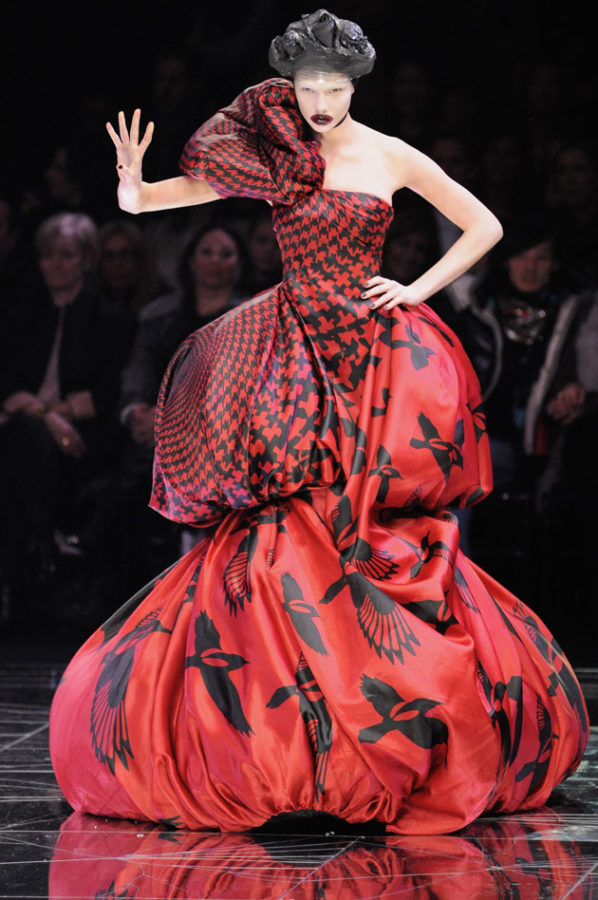
Fashion designers Alexander McQueen and John Galliano redefined the British fashion scene in the 1990s runways. The two were the ultimate power duo that created a new flare in style while composing different fashion tastes. McQueen, who challenged many conventions of fashion, introduced an intense, dramatized gothic look that became both a provocative and theatrical statement. On the other hand, Galliano took a more romanticized outlook on fashion, offering a fantasy-infused style inspired by the art and history of London. Their rise to stardom placed London on the map as a center for avant-garde fashion–a title the city maintains today.
Throughout this decade, fashion evolved into a revolution that broke gender norms and allowed society to express themselves differently. Fashion became androgynous–neither specifically feminine nor masculine. Clothing blended elements of both, driven by the DIY approach youth culture set in motion during this time. What began as specific styles meant for men and women, like suits and dresses, evolved into a gender-neutral streetwear style. This trend redefined fashion ideals, leaving a lasting impact that continues in our society today.
Beyond all of this, London left a legacy in the fashion world. The 1990s marked a pivotal moment in fashion, breaking away from standing gender norms and paving the way for new styles. Men and women were given the freedom to express their identities through fashion. As many fashion trends go in and out, styles from this era have always stayed consistent. London’s rebellious spirit is forever timeless in fashion and celebrated among society. Nearly 30 years later, what’s your favorite lasting fashion legacy from London that you still see today?
Featured image is designed by Alexander McQueen.
 Home Page
Leave a comment